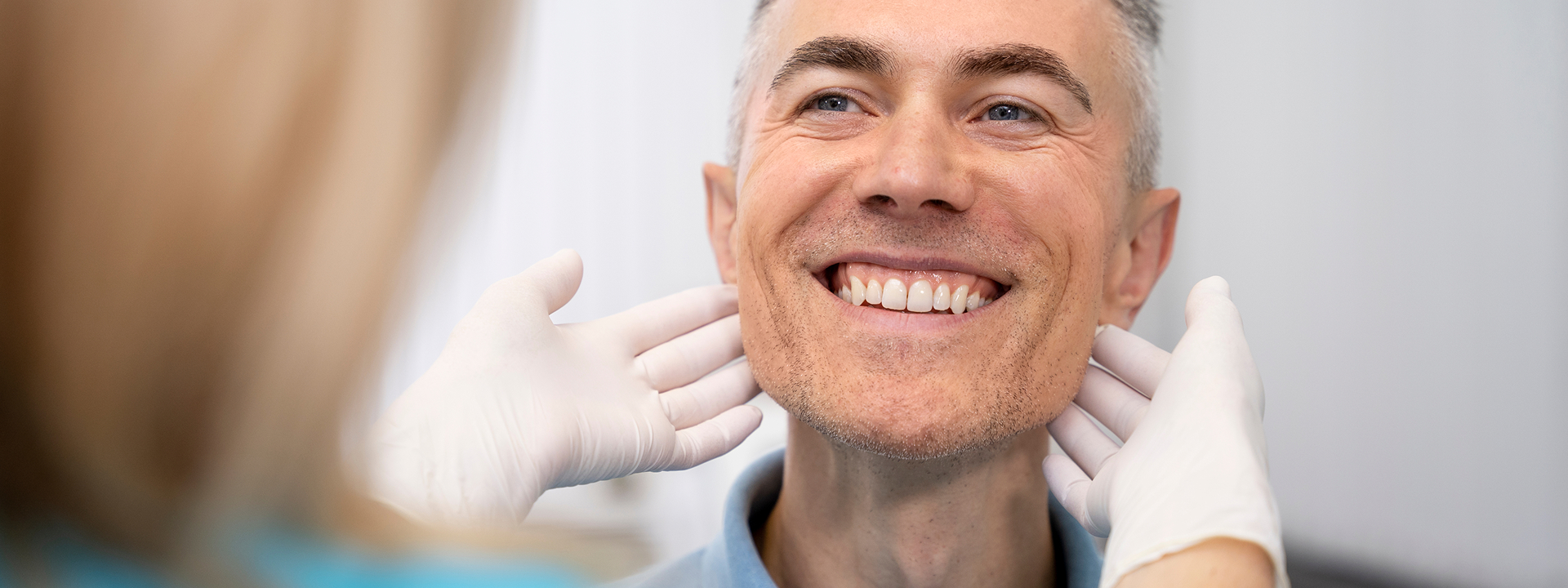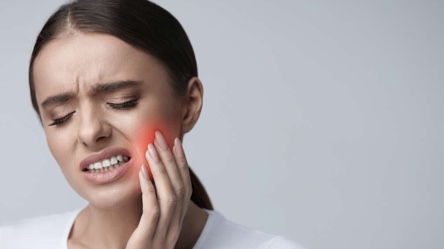
Dental emergencies are painful, stressful, and often expensive. They disrupt your day, your work, and your peace of mind. But here is the good news: most dental emergencies are preventable. A cracked tooth from chewing ice, a knocked-out tooth from a sports injury, a severe toothache from an untreated cavity — these are all situations that can be avoided with the right precautions.
Prevention is the best medicine. Taking small, consistent steps to protect your oral health significantly reduces your risk of dental emergencies. Regular checkups catch problems early. Mouthguards protect teeth during sports. Simple changes in daily habits prevent fractures and injuries. By investing time and effort in prevention, you save yourself from unnecessary pain and expense.
At Tampa Dental Wellness of Carrollwood, patients from Carrollwood, Northdale, Lake Magdalene, Citrus Park, and Cheval receive comprehensive preventive care. This guide explains how to prevent common dental emergencies. For a broader overview of dental emergencies, see What Is Emergency Dentistry and When Should You Seek Immediate Dental Care? For help choosing a dental provider, see the Patient’s Guide to Choosing the Right Dentist.
Table of Contents
Key Takeaways (TL;DR)
- Wear a mouthguard for sports. Custom-fitted mouthguards from a dentist offer the best protection. Over-the-counter options are better than nothing.
- Avoid chewing hard foods. Ice, popcorn kernels, hard candy, and bone fragments are common causes of cracked teeth.
- Visit your dentist regularly. Routine checkups catch small problems before they become emergencies. Most dental emergencies are preventable with early care.
- Treat bruxism with a nightguard. Teeth grinding can crack teeth over time. A custom nightguard protects your teeth while you sleep.
- Do not use teeth as tools. Teeth are for eating. Using them to open packages or cut tape can cause fractures and emergencies.
Why Prevention Matters
Preventing dental emergencies is more than just avoiding pain. It protects your oral health, saves money, and preserves your natural teeth. A cracked tooth that requires a crown is more expensive than the routine checkup that could have prevented it. A knocked-out tooth that could have been protected by a mouthguard is more stressful than wearing one. Prevention is an investment in your health and peace of mind.
The American Dental Association emphasizes the importance of preventive care. Regular checkups, good oral hygiene, and protective measures reduce the incidence of dental emergencies. The ADA recommends that all patients take an active role in preventing dental injuries and diseases.
Key insight from Carrollwood dentists: Most dental emergencies are preventable. Patients who attend regular checkups, wear mouthguards, and follow good oral hygiene habits have significantly fewer emergencies than those who do not. The small investment in prevention pays for itself many times over.
Wear a Mouthguard for Sports
Mouthguards are essential for anyone who plays sports. They protect teeth from impact and reduce the risk of dental trauma. The ADA estimates that athletes who do not wear mouthguards are significantly more likely to experience dental injuries. Mouthguards are recommended for contact sports such as football, basketball, soccer, hockey, wrestling, martial arts, and lacrosse. They are also recommended for activities with a risk of falls, such as skateboarding, biking, and gymnastics.
Types of Mouthguards
Not all mouthguards offer the same level of protection. Understanding the differences helps you choose the right one.
- Custom-fitted mouthguards: Made by a dentist from impressions of your teeth. These offer the best fit, comfort, and protection. They are recommended for athletes who play contact sports regularly. They are more expensive but provide superior protection.
- Boil-and-bite mouthguards: Available at sporting goods stores. They are softened in hot water and molded to fit your teeth. They offer better protection than stock mouthguards but less than custom-fitted options.
- Stock mouthguards: Pre-formed and ready to wear. They are inexpensive but often fit poorly and provide limited protection. They can be uncomfortable and may interfere with breathing or speaking.
The American Dental Association recommends custom-fitted mouthguards for the best protection. They fit securely, allow for normal breathing and speaking, and provide the highest level of shock absorption.
Avoid Hard Foods and Bad Habits
Hard foods are a leading cause of cracked and broken teeth. Many patients are surprised to learn that common foods can cause serious dental injuries. Being mindful of what you eat and how you use your teeth significantly reduces your risk.
Foods That Commonly Cause Dental Injuries
- Ice: Chewing ice is a common cause of cracked teeth. The hardness of ice and the extreme temperature can cause enamel to fracture.
- Popcorn kernels: Unpopped kernels can crack teeth. They are hard and irregularly shaped, making them dangerous to bite down on.
- Hard candy: Sucking on hard candy is safe. Biting down on it is not. Hard candy can cause fractures.
- Nuts and seeds: Biting down on a hidden shell or an especially hard nut can crack a tooth.
- Bone fragments: Bones in meat, fish, or poultry can cause fractures. Be careful when eating meat with bones.
- Pits and seeds: Fruit pits and seeds can crack teeth. Remove them before eating.
Bad Habits to Avoid
- Using teeth as tools: Opening packages, cutting tape, or cracking nuts with teeth causes fractures. Use scissors, bottle openers, or nutcrackers instead.
- Chewing on non-food items: Pens, pencils, fingernails, and other objects can damage teeth.
- Chewing tobacco: This habit damages teeth and gums and increases the risk of oral cancer.
- Grinding or clenching teeth: Bruxism causes wear, cracks, and fractures. A nightguard can protect your teeth.
Attend Regular Dental Checkups
Regular dental checkups are the most effective way to prevent dental emergencies. During a checkup, the dentist examines your teeth, gums, and mouth for signs of problems. Small cavities, worn fillings, early cracks, and gum disease are all detected and treated before they become emergencies.
What Happens During a Checkup
- Examination: The dentist examines your teeth for cavities, cracks, wear, and other problems. They evaluate your gums for signs of disease.
- X-rays: Dental X-rays reveal problems that are not visible to the naked eye, such as decay between teeth or under fillings, and infections at the root tip.
- Oral cancer screening: The dentist checks for signs of oral cancer, including unusual lesions or lumps in your mouth, lips, throat, and neck.
- Professional cleaning: A dental hygienist removes plaque and tartar that cannot be removed with regular brushing. A clean mouth is less prone to disease.
- Treatment recommendations: The dentist recommends treatment for any problems found. Early treatment is simple, affordable, and prevents emergencies.
How Often Should You Visit the Dentist?
The American Dental Association recommends visiting the dentist at least once every six months. Some patients with higher risk factors may need more frequent visits. Regular checkups are the foundation of good oral health and prevention.
Good Home Care Prevents Emergencies
Oral hygiene at home prevents cavities and gum disease. Cavities that are left untreated become abscesses. Gum disease can lead to tooth loss. Good home care reduces your risk of these problems and the emergencies they cause.
Daily Oral Hygiene Habits
- Brush twice a day: Use a fluoride toothpaste and a soft-bristled toothbrush. Brush for two minutes each time, paying attention to all tooth surfaces and your tongue.
- Floss daily: Floss removes plaque and food from between your teeth where brushing cannot reach. Daily flossing prevents cavities and gum disease.
- Use mouthwash: An antiseptic mouthwash reduces bacteria in your mouth and freshens your breath.
- Replace your toothbrush regularly: Replace your toothbrush every three to four months, or sooner if the bristles are frayed.
Dietary Choices That Protect Teeth
- Limit sugary foods and drinks: Sugar feeds cavity-causing bacteria. Reducing sugar reduces your risk of cavities.
- Drink plenty of water: Water rinses away food particles and bacteria. Fluoridated water helps prevent cavities.
- Eat a balanced diet: Foods rich in calcium and vitamin D support strong teeth and bones.
- Avoid frequent snacking: Frequent snacking exposes your teeth to acid and sugar throughout the day. Stick to scheduled meals and snacks.
Treat Bruxism with a Nightguard
Bruxism is the medical term for grinding or clenching teeth. Many people grind their teeth at night without knowing it. The constant pressure and friction of teeth grinding can cause wear, cracks, and fractures. Bruxism is a common cause of dental emergencies.
Signs of Teeth Grinding
- Headaches in the morning
- Jaw pain or soreness
- Worn, flattened, or chipped teeth
- Teeth sensitivity
- Fractured teeth
- Damage to dental restorations
- Earaches or facial pain
How a Nightguard Helps
A nightguard is a custom-made appliance that fits over your teeth. It acts as a cushion between your upper and lower teeth, absorbing the force of grinding and clenching. A nightguard protects your teeth from wear, cracks, and fractures. It can also reduce jaw pain and headaches.
Nightguards are made by a dentist from impressions of your teeth. They offer the best fit and comfort. Over-the-counter nightguards are available but do not offer the same level of protection. See your dentist for a custom-fitted nightguard if you grind your teeth.
Frequently Asked Questions (People Also Ask)
How can I prevent a tooth from being knocked out during sports?
Wear a custom-fitted mouthguard during contact sports. Mouthguards absorb impact and protect teeth from trauma. The ADA recommends custom-fitted mouthguards for the best protection. For athletes, replacing a damaged mouthguard promptly maintains protection.
Can regular dental checkups prevent all dental emergencies?
Regular checkups prevent most dental emergencies. They catch cavities, cracks, and gum disease early. However, accidents such as sports injuries and falls can still occur. Checkups cannot prevent trauma, but they ensure your teeth are healthy and strong, which may reduce the severity of an injury.
Does chewing ice really crack teeth?
Yes. Chewing ice is a common cause of cracked teeth. Ice is hard and extremely cold. The combination of pressure and temperature can cause enamel to fracture. Avoid chewing ice to protect your teeth. Drink cold beverages without ice or let the ice melt before chewing it.
What is the difference between a stock mouthguard and a custom mouthguard?
Stock mouthguards are pre-formed and ready to wear. They fit poorly and offer limited protection. Custom-fitted mouthguards are made by a dentist from impressions of your teeth. They fit securely, allow for normal breathing and speaking, and provide superior shock absorption. The ADA recommends custom-fitted mouthguards for the best protection.
How much does a custom mouthguard cost?
Disclaimer: The cost information provided here is for educational and research purposes only. It does not represent the pricing or estimates of any specific dental practice. A custom-fitted mouthguard typically costs $300 to $800, depending on the complexity and materials. Many dental insurance plans cover part of the cost. A custom mouthguard is an investment in your oral health and prevents expensive dental emergencies. Contact your dental office for specific pricing.
Meet the Dentists
This guide to preventing dental emergencies was developed under the clinical guidance of the dental team at Tampa Dental Wellness of Carrollwood, a women-led practice located at 11123 N Dale Mabry Hwy, Tampa, FL 33618, serving Carrollwood and surrounding communities.
Dr. Alisha Anand provides comprehensive preventive care to patients in Carrollwood, Northdale, and Lake Magdalene. She emphasizes prevention and early treatment to help patients avoid dental emergencies. Learn more about Dr. Alisha Anand.
Dr. Amy Creech-Gionis has over 30 years of advanced dental expertise, including extensive experience in preventive dentistry and the management of bruxism with custom nightguards. Learn more about Dr. Amy Creech-Gionis.
All clinical content has been reviewed against current guidelines from the American Dental Association (ADA) and the Centers for Disease Control and Prevention (CDC).
Last reviewed: June 2026
Conclusion — Prevention Is the Best Medicine
Dental emergencies are painful and stressful, but most are preventable. Wearing a mouthguard during sports, avoiding hard foods, attending regular checkups, and maintaining good oral hygiene all reduce your risk. A nightguard protects against the damage of teeth grinding. Small habits make a big difference.
Tampa Dental Wellness of Carrollwood provides comprehensive preventive care for patients in Carrollwood, Northdale, Lake Magdalene, Citrus Park, and Cheval. Schedule a checkup today to protect your oral health and prevent emergencies. Call (813) 265-2273 to book an appointment.
For a broader overview of dental emergencies, see What Is Emergency Dentistry and When Should You Seek Immediate Dental Care? For help choosing a dental provider, see the Patient’s Guide to Choosing the Right Dentist.
Awareness-level CTA: For a helpful checklist on preventing dental emergencies, download our free guide to dental injury prevention.
Sources & References
- American Dental Association (ADA) — Mouthguards and Sports Safety. ada.org
- American Dental Association (ADA) — Dental Checkups and Preventive Care.
- Centers for Disease Control and Prevention (CDC) — Oral Health Data and Prevention.
- National Institute of Dental and Craniofacial Research — Preventing Dental Injuries.
*This article is for educational purposes and does not constitute medical advice. Readers should consult with a licensed dental professional for diagnosis and treatment recommendations.*