A broken or chipped tooth requires prompt evaluation to determine the extent of damage and the appropriate restoration. Treatment options range from simple composite bonding to same-day crowns, depending on the size of the fracture and whether the pulp has been exposed.
For patients in Carrollwood, Northdale, Lake Magdalene, Citrus Park, and Cheval, a broken tooth does not always mean multiple appointments. Modern restorative technology allows many fractures to be repaired in a single visit using advanced bonding techniques or computer-aided design and manufacturing (CAD/CAM) crowns.
For a broader overview of restorative treatments, refer to the main guide on Restorative Dentistry — Repairing and Rebuilding Smiles. For crowns specifically, see Dental Crowns. For tooth-colored restorations, see Tooth-Colored Fillings.
Table of Contents
Key Takeaways (TL;DR)
- Small chips and fractures repair with composite bonding. The dentist sculpts tooth-colored resin onto the damaged area in a single appointment, restoring shape and function without anesthesia in many cases.
- Same-day crowns eliminate the second visit. CAD/CAM technology fabricates a permanent crown in the dental office while the patient waits, eliminating temporary crowns and return appointments.
- Deep fractures exposing the nerve require a root canal. Spontaneous pain, prolonged sensitivity to cold, and pain on biting indicate irreversible pulpitis that must be treated before restoration.
- Prompt treatment improves outcomes. Early evaluation of a broken tooth prevents infection, reduces the need for more extensive treatment, and improves the prognosis for saving the tooth.
- Save any tooth fragments if possible. The dentist may use the broken piece to facilitate the restoration, particularly when matching shade and shape for anterior teeth.
Types of Tooth Fractures — Understanding the Damage
Tooth fractures vary in severity, location, and prognosis. The American Association of Endodontists classifies tooth fractures based on the structures involved: enamel only, enamel and dentin, or enamel, dentin, and pulp. The treatment approach depends on the fracture’s depth and whether the pulp has been exposed.
Identifying the Severity of a Broken Tooth
Patients can often gauge the severity of a broken tooth based on symptoms. A small chip that feels rough to the tongue but causes no pain typically involves enamel only and can be repaired with simple bonding. A broken tooth that hurts when biting, especially when releasing the bite, often indicates a cracked tooth or exposed dentin. Spontaneous pain or pain that lingers after cold stimuli suggests pulp involvement requiring root canal therapy.
Composite Bonding — Same-Day Repair for Small to Moderate Fractures
Composite bonding repairs chips, small fractures, and gaps in a single appointment using tooth-colored resin. The dentist applies the resin to the damaged area, sculpts it to match the tooth’s natural contours, and cures it with a blue light. The procedure typically requires 30 to 60 minutes and often does not require anesthesia for minor enamel chips.
The Bonding Procedure
The dentist begins by roughening the enamel surface with a mild acid etchant, which creates microscopic pores for the bonding agent to penetrate. After applying the bonding agent, the dentist places the composite resin in layers, building the restoration to match the missing tooth structure. Each layer is sculpted and cured before the next is added. Once the final shape is achieved, the dentist polishes the restoration to a smooth, glossy finish that blends with surrounding teeth.
Advantages of Composite Bonding
- One appointment: Complete the procedure in a single visit
- No anesthesia (often): Minor chips often require no numbing
- Tooth preservation: Minimal removal of healthy tooth structure
- Cost-effective: Less expensive than crowns or veneers
- Aesthetic: Matches natural tooth color and translucency
- Repairable: Can be touched up if damaged over time
Limitations of Composite Bonding
- Durability: Less durable than crowns, particularly in high-bite-force areas
- Staining: More prone to staining than porcelain or ceramic
- Not ideal for large fractures: Large fractures require crown coverage for adequate strength
- Technique sensitive: Quality depends on proper isolation and bonding technique
Clinical observation from Carrollwood dentists: Composite bonding offers an excellent solution for patients who chip a front tooth before a wedding, job interview, or vacation. The same-day repair restores appearance and confidence with minimal disruption to daily life.
Same-Day Crowns — CAD/CAM Technology for Immediate Restoration
Same-day crowns use computer-aided design and manufacturing (CAD/CAM) technology to fabricate a permanent crown in the dental office while the patient waits. The technology eliminates the need for impressions, temporary crowns, and a second appointment. The entire process—from tooth preparation to final cementation—completes in a single visit.
The CAD/CAM Workflow
The process begins with digital scanning rather than traditional impressions. The dentist uses a small intraoral camera to capture thousands of images of the prepared tooth and adjacent teeth, creating a 3D digital model. Computer software designs the crown to match the tooth’s anatomy and bite. The design is transmitted to an in-office milling unit, which carves the crown from a ceramic block in 10 to 20 minutes. The dentist then adjusts the fit, stains and glazes the crown if needed, and cements it permanently.
Advantages of Same-Day Crowns
- Single visit: Complete treatment in one appointment, typically 90 to 120 minutes
- No temporary: Eliminates the discomfort and dietary restrictions associated with temporary crowns
- No impressions: Digital scanning is more comfortable than traditional impression material
- Accuracy: Computer design and milling produce precisely fitting restorations
- Convenience: Ideal for patients with limited time or dental anxiety
When Same-Day Crowns Are Appropriate
Same-day crowns work well for single-tooth restorations in patients with straightforward bite relationships. Complex cases involving multiple teeth, significant bite issues, or aesthetic concerns requiring multiple shade layers may still benefit from traditional laboratory fabrication. The dentist determines the best approach based on the clinical situation.
When a Root Canal Is Needed Before Restoration
A deep fracture extending into the pulp chamber exposes the nerve to bacteria, causing irreversible pulpitis. The American Association of Endodontists advises that teeth with irreversible pulpitis require root canal therapy before restoration.
Signs That a Root Canal Is Needed
- Spontaneous pain that occurs without any stimulus
- Prolonged sensitivity to cold that persists after the stimulus is removed
- Pain on biting that continues after the bite is released
- Pain that wakes the patient from sleep
- Visible bleeding from the fracture site or deep cavity
- Darkening or discoloration of the tooth
The Root Canal and Restoration Sequence
When pulp exposure has occurred, root canal therapy precedes the final restoration. The endodontic treatment removes the infected pulp tissue, cleans and shapes the root canals, and seals them with a biocompatible material. A temporary filling or crown protects the tooth during the healing period. Once the root canal is confirmed to be successful—typically after one to two weeks of symptom resolution—the dentist places the permanent crown or restoration.
Emergency Response — What to Do After Breaking a Tooth
Prompt action after breaking a tooth improves treatment outcomes and reduces the risk of complications. Patients should follow these steps immediately after a tooth fracture.
Immediate First Aid Steps
- Rinse gently: Use warm water to clean the area and remove debris
- Apply pressure: Use gauze to control bleeding if present
- Cold compress: Apply ice to the cheek to reduce swelling
- Save fragments: If you find the broken piece, store it in milk or saliva
- Pain relief: Take over-the-counter pain relievers as needed
- Contact the dentist: Call for an emergency appointment
What to Avoid After Breaking a Tooth
- Avoid chewing on the broken tooth
- Avoid hot or cold foods and beverages that may cause sensitivity
- Avoid using the broken piece to test the tooth or fit it back in place
- Avoid over-the-counter adhesive or dental cements from drugstores
- Avoid delaying treatment—waiting increases the risk of infection and tooth loss
Community Overview — Same-Day Broken Tooth Repair in Carrollwood and Surrounding Areas
Patients from Carrollwood, Greater Carrollwood, Carrollwood Village, and Original Carrollwood can access same-day broken tooth repair at Tampa Dental Wellness of Carrollwood. The practice, located at 11123 N Dale Mabry Hwy, offers composite bonding and CAD/CAM crown technology for patients throughout the N Dale Mabry Hwy corridor.
The practice serves patients from Northdale, Lake Magdalene, Citrus Park, Forest Hills, and Egypt Lake-Leto who need urgent dental repairs. Patients from Cheval, Avila, Lutz, and Westchase also travel to the practice for same-day restorative care, attracted by the convenience of single-appointment crown placement and bonding.
Frequently Asked Questions (FAQs)
Can a broken tooth be repaired in one visit?
Small chips and fractures can be repaired with composite bonding in a single appointment. Large fractures or teeth needing crowns may require two visits unless the office offers same-day CAD/CAM crown technology. Deep fractures exposing the nerve require root canal therapy before restoration.
Does repairing a broken tooth hurt?
Minor bonding procedures often require no anesthesia. Crown preparation and root canal therapy require local anesthesia to ensure patient comfort during the procedure. Post-operative sensitivity typically resolves within a few days.
How much does it cost to fix a broken tooth?
Disclaimer: Cost information provided here is for educational and research purposes only and does not reflect the practice’s pricing. Costs vary by procedure type—composite bonding typically costs less than crowns, and same-day crowns may cost similarly to traditional lab-fabricated crowns. Patients should request a personalized estimate during the consultation.
What is the difference between bonding and a crown?
Bonding adds tooth-colored resin to the existing tooth surface and is used for minor chips and fractures. A crown covers the entire visible portion of the tooth and is used for larger fractures or teeth with extensive structural damage.
Can a broken tooth be saved?
Most broken teeth can be saved with appropriate restorative treatment. Composite bonding, crowns, and root canal therapy preserve teeth that would otherwise require extraction. The prognosis depends on the extent of the fracture and how quickly treatment is initiated.
People Also Ask
What should I do if my tooth breaks at the gumline?
A fracture extending below the gumline may require extraction or periodontal surgery to expose the remaining tooth structure. Immediate dental evaluation is essential—delays reduce the likelihood of saving the tooth.
Can I use Super Glue to fix a broken tooth?
No. Super Glue and other household adhesives are toxic and can harm the tooth, gums, and surrounding tissues. Only dental-grade materials should be used for tooth repair.
How long does composite bonding last on a broken tooth?
Composite bonding typically lasts five to seven years with proper care. Longevity depends on the size of the restoration, bite forces, and oral hygiene habits. Larger chips in high-bite-force areas may require replacement sooner.
Can I eat normally after a same-day crown?
Yes. Same-day crowns are cemented permanently and function immediately. Patients can eat normally, though they should avoid extremely hard or sticky foods to protect the crown during the first 24 hours while the cement sets completely.
Does dental insurance cover same-day crowns?
Most dental insurance plans cover same-day crowns similarly to traditional lab-fabricated crowns. Coverage depends on the patient’s specific plan, annual maximum, and deductible. Patients should verify coverage before treatment.
People Also Search For
- How to Fix a Chipped Tooth Naturally
- Same-Day Crown Cost with Insurance
- Broken Tooth Repair Without Dentist
- Dental Bonding vs. Veneers
- Emergency Dentist Near Me Open Now
About the Dentists & Editorial Standards
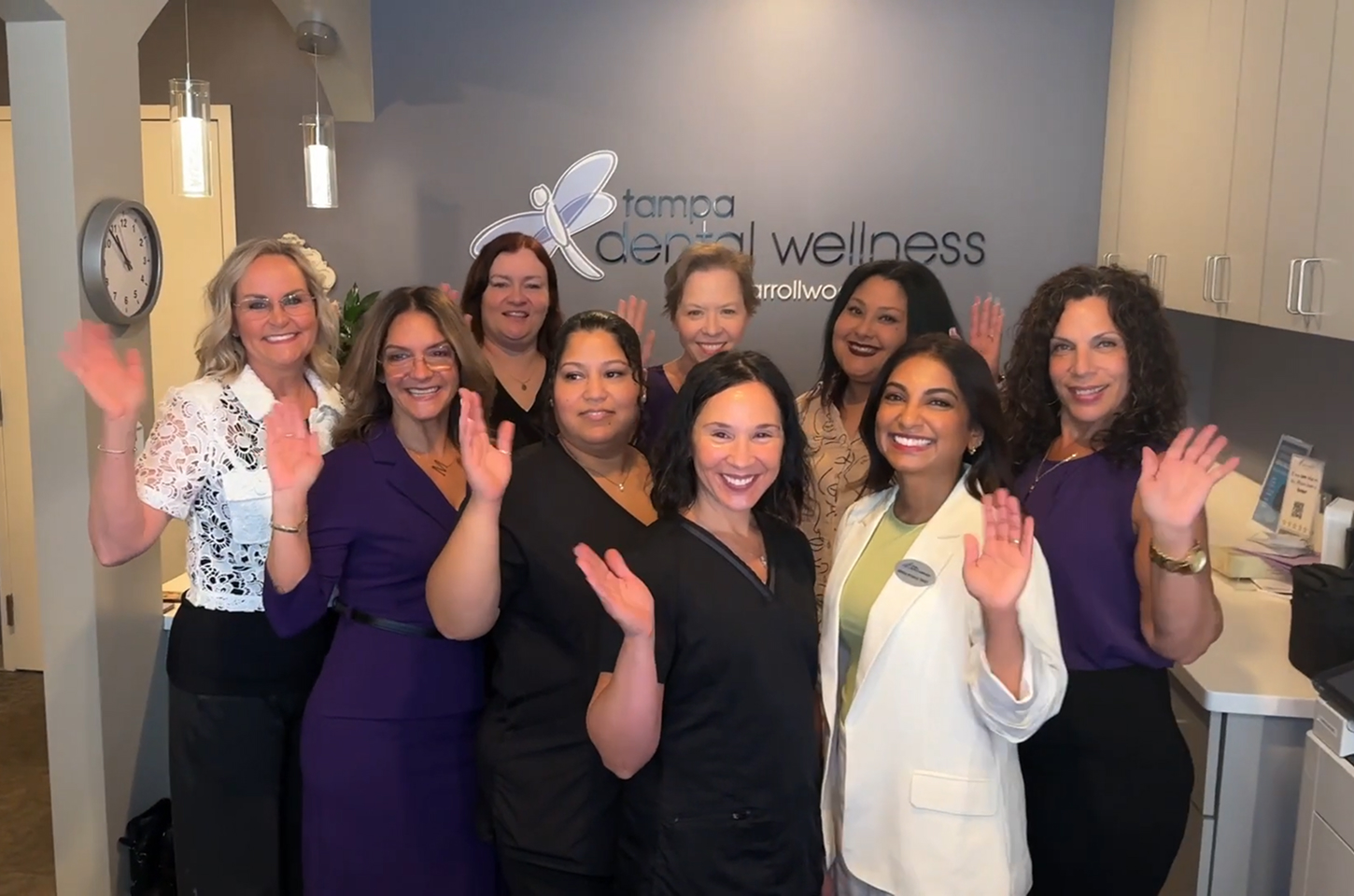
This broken tooth restoration guide was developed under the clinical guidance of Tampa Dental Wellness of Carrollwood, a women-led practice at 11123 N Dale Mabry Hwy, Tampa, FL 33618, serving Carrollwood and surrounding communities.
Dr. Alisha Anand provides restorative care including composite bonding, crowns, and same-day restorative procedures, with a focus on efficient, high-quality treatment for patients with broken or damaged teeth.
Dr. Amy Creech-Gionis brings over 30 years of advanced dental expertise, including extensive experience in restorative and emergency dentistry, ensuring patients receive prompt, effective care for dental fractures.
All clinical content has been reviewed against current guidelines from the American Dental Association (ADA) and the American Association of Endodontists (AAE).
Last reviewed: September 2026
Sources & References
- American Dental Association (ADA) — Oral Health Topics: Tooth Fractures and Restorations.
- American Association of Endodontists (AAE) — Guidelines for Management of Traumatic Dental Injuries.
- Journal of the American Dental Association — Clinical Outcomes of Same-Day CAD/CAM Crowns: A Review.
- International Journal of Adhesive Dentistry — Bonding Techniques for Composite Resin Restorations.
Conclusion — Same-Day Solutions Save Time and Restore Smiles
A broken tooth no longer means multiple appointments, temporary crowns, and weeks of waiting. Modern restorative technology allows many fractures to be repaired in a single visit through composite bonding or CAD/CAM crown fabrication. Same-day solutions restore both function and appearance with minimal disruption to daily life.
The key to successful outcomes lies in prompt evaluation and appropriate treatment. Minor chips respond well to composite bonding, requiring only 30 to 60 minutes in the dental chair. Large fractures may need same-day crowns, which complete in a single extended appointment. Deep fractures exposing the nerve require root canal therapy before restoration—a longer process but one that preserves the natural tooth.
For patients in Carrollwood, Northdale, Lake Magdalene, Citrus Park, and Cheval, Tampa Dental Wellness of Carrollwood provides same-day broken tooth repair at 11123 N Dale Mabry Hwy. The practice serves the broader Tampa community with efficient, high-quality restorative care that respects patients’ time and treatment goals.
For more information on restorative treatments, see the main guide on Restorative Dentistry. For crowns specifically, see Dental Crowns. For tooth-colored restorations, see Tooth-Colored Fillings.
Awareness-level CTA: For a helpful guide on what to do immediately after breaking a tooth, including a step-by-step emergency response checklist, see our free dental emergency guide.
*This article is for educational purposes and does not constitute medical advice. Readers should consult with a licensed dental professional for diagnosis and treatment recommendations.*